THE IVY LEAGUE. CAMBRIDGE, MASSACHUSETTS.
Harvard University
Harvard College sits in Cambridge, across the Charles River from Boston, with about 7,100 undergraduates and a residential House system that keeps the college small inside a large research university. Its ski team races NCAA Division I on the EISA carnival circuit, and the alpine venue EISA lists for Harvard is Burke Mountain in Vermont's Northeast Kingdom, so training means travel. Aid is entirely need-based, which is the Ivy League rule.
Cambridge, MA
- NCAA · Division I institution
- NCAA skiing
- EISA
- Men & women
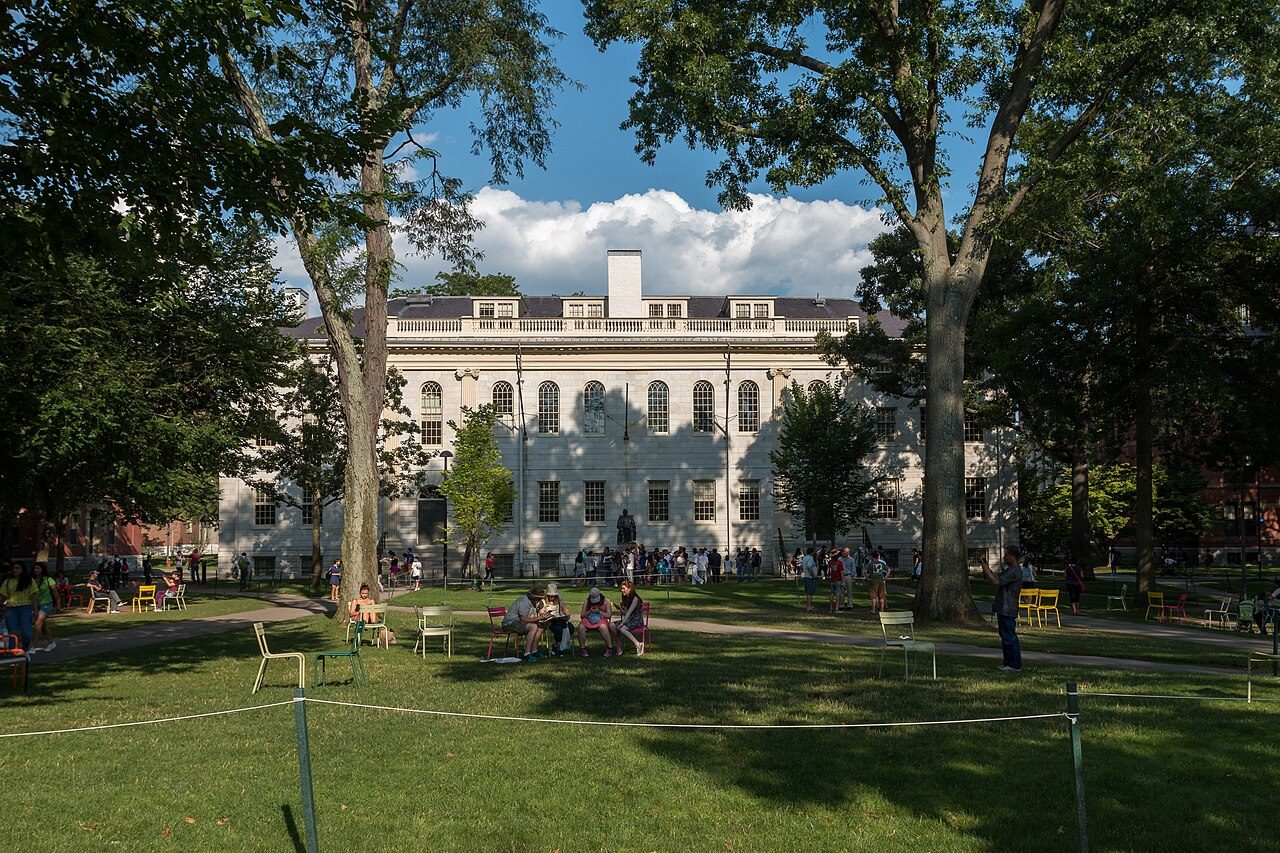
Photo: Marco Almbauer, via Wikimedia Commons, Public domain
Harvard UniversityNCAA D1 · EISA · #15 power rank
- NCAA divisionEISA · NCAA skiing
- D1
- UndergraduatesHarvard College
- 7,103
- AdmittedClass of 2029
- 4.2%
- Cost of attendance (low estimate)2026-27
- $95,134
- EISA alpine venueEast Burke, VT
- Burke Mtn.
- Student-faculty ratioHarvard College
- 7:1
- Roster athletes2026-27
- 10
- NCAA power rankscore 49.36
- #15
Why Harvard?
Why racerslook at Harvard
The trade is clear: a top research university and a city at the door, in exchange for a long drive to snow.
Aid that covers tuition up to $200,000
Families earning under $100,000 pay nothing, and aid covers at least full tuition for incomes up to $200,000; 100% of demonstrated need is met and admission is need-blind.(college.harvard.edu)
Twelve Houses, one Yard
First-years live in dorms around Harvard Yard and eat in Annenberg Hall; on Housing Day in spring they are placed into one of 12 upper-level Houses of 350 to 500 students.(college.harvard.edu)
NCAA starts from a small program
In 2026 Duncan Armstrong and Luke Kearing qualified for the NCAA Championships from the men's alpine team, with Armstrong taking second in giant slalom at the NCAA Regional Championships.(gocrimson.com)
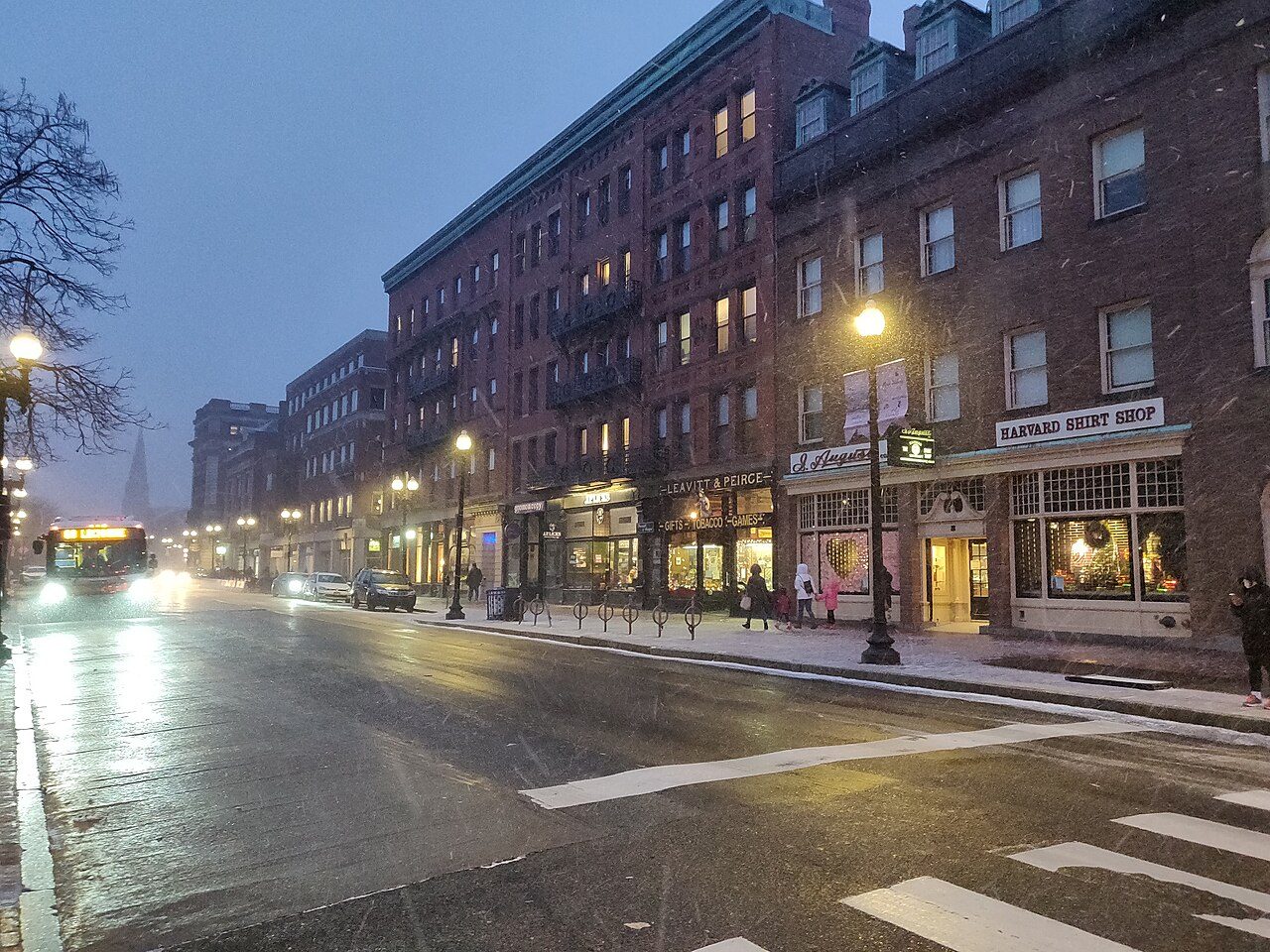
Cambridge and Boston
Harvard Square and the city are part of daily life; the college describes its setting as Cambridge, Massachusetts, adjacent to Boston.(college.harvard.edu)
About the school
The honest version.
What the school is, what it is known for, and what a family should weigh before committing.
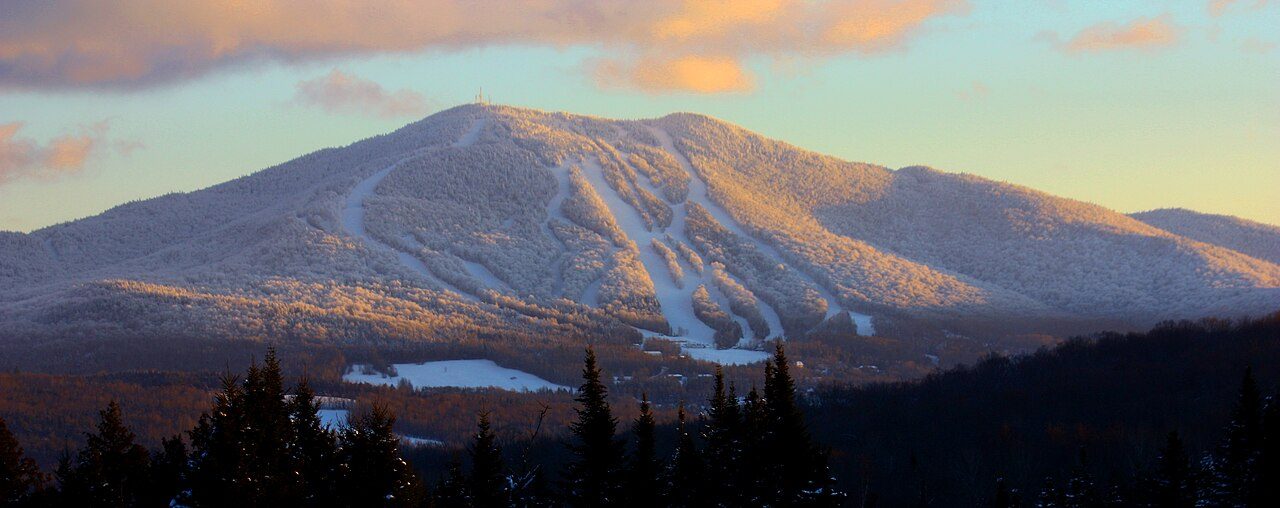
Harvard is a private research university founded in 1636, with about 7,100 undergraduates in Harvard College and a 7:1 student-faculty ratio. The campus sits in Cambridge, across the Charles River from Boston, so daily life is urban: Harvard Square, the T, and a dense city at the door. Academics are strong in nearly every field, and the residential House system keeps the college feeling smaller than the university around it. Admission is need-blind and aid is entirely need-based; families under $100,000 pay nothing, and aid covers at least full tuition up to $200,000. For a ski racer this is an NCAA Division I program on the EISA carnival circuit, and it is the outlier in this group because there is no hill nearby. EISA lists Burke Mountain in Vermont's Northeast Kingdom as Harvard's alpine home, roughly three hours from Cambridge, and the Harvard Carnival runs on Burke's training hill. Expect long van rides and a program that has historically finished mid-pack in the East, though it sent two alpine men to the 2026 NCAA Championships.
Know before you commit
- Extremely selective: about 4.2% of applicants were admitted to the Class of 2029, and the SAT or ACT is required again.(college.harvard.edu)
- No athletic scholarships: the Ivy League awards aid only on financial need, so a coach cannot offer money.(ivyleague.com)
- No home hill near campus: EISA lists Burke Mountain in Vermont's Northeast Kingdom as the alpine venue, and no drive time from Cambridge is published, so on-snow training means long travel.(eisaskiing.org)
- Institutional turbulence: Harvard has been in litigation with the federal government since 2025 over a $2.2 billion grant freeze and faces an endowment-tax increase of about $300 million a year from fiscal 2027, which has led to salary freezes, hiring moratoriums and layoffs.(harvardmagazine.com)
- Mid-pack results: in 2025-26 the combined team finished between 7th and 10th of 14 at every EISA carnival.(gocrimson.com)
Feel the campus
From first tracks to final exams.
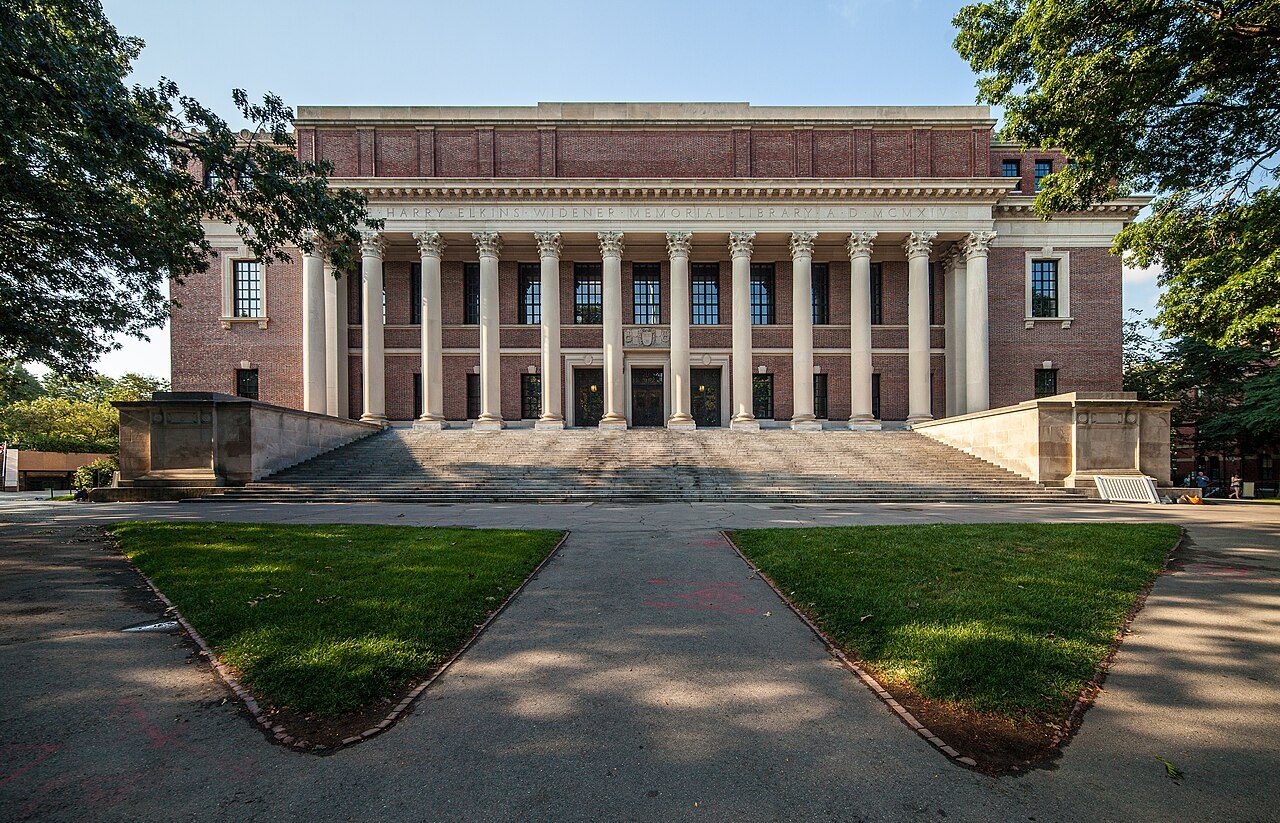
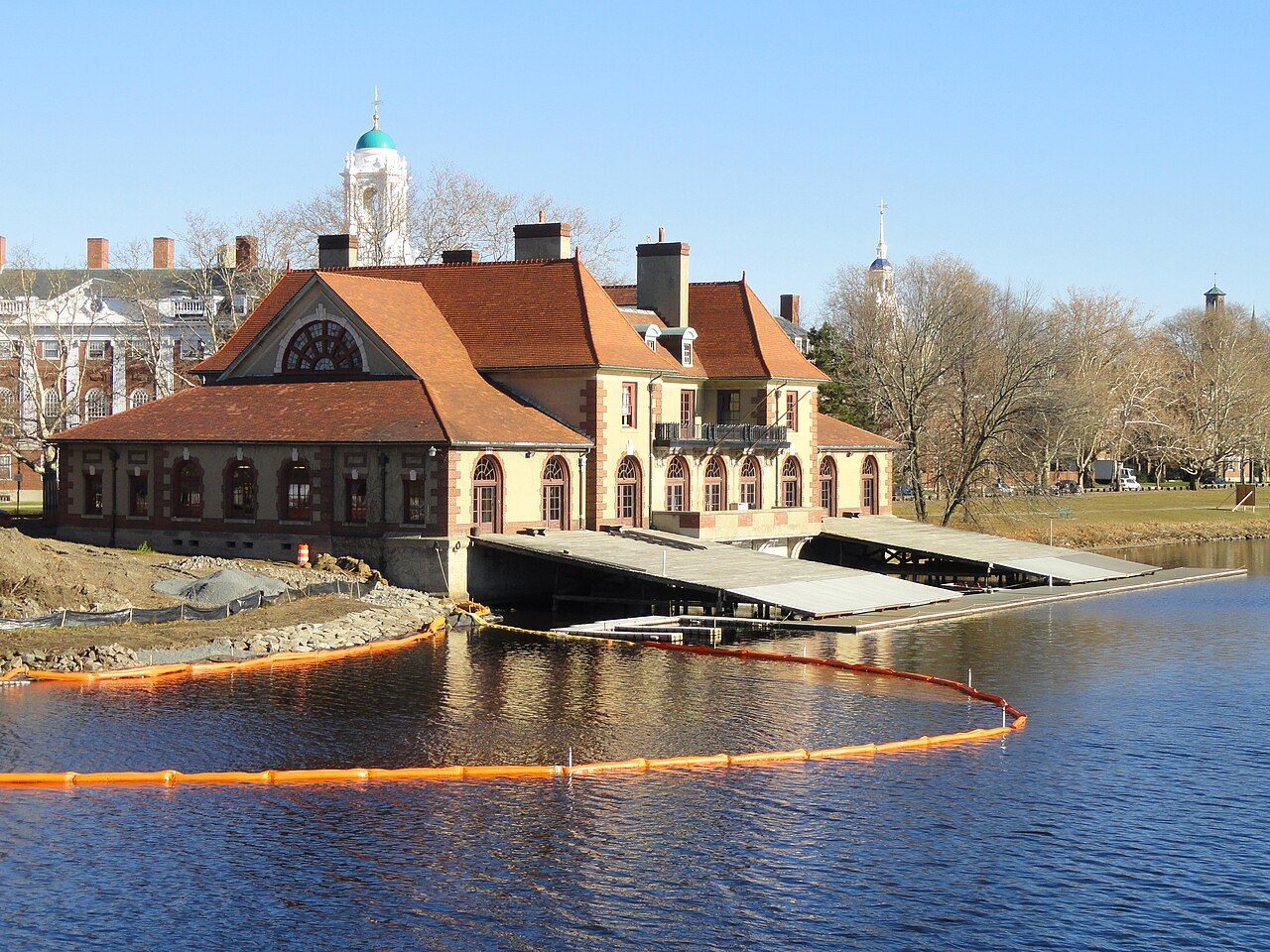
Credited archive photographs of the campus, the town and the hill; not current team photography.
5 of 5 photos shown
Ski team experience
Crimson skiingon the EISA circuit
Harvard fields alpine and nordic teams that race NCAA Division I on the EISA carnival circuit against Vermont, Dartmouth, Middlebury and the rest of the East. EISA lists Burke Mountain in Vermont as the alpine venue and the Weston Ski Track in Massachusetts for nordic. In 2025-26 the combined team finished between 7th and 10th of 14 at each carnival and sent three skiers to the NCAA Championships.
- Team athletes
- 10
- Men / women
- 5 / 5
- International athletes
- 4
- NCAA qualifiers, 2026
- 3
- Conference
- EISA
- Alpine disciplines
- SL + GS
Program overview
Harvard fields alpine and nordic teams that race NCAA Division I on the EISA carnival circuit against Vermont, Dartmouth, Middlebury and the rest of the East. EISA lists Burke Mountain in Vermont as the alpine venue and the Weston Ski Track in Massachusetts for nordic. In 2025-26 the combined team finished between 7th and 10th of 14 at each carnival and sent three skiers to the NCAA Championships.
- DivisionNCAA Division I institution
- SkiingNCAA skiing · EISA
- Home venuesBurke Mountain (EISA); Waterville Valley and Proctor Academy (~2 h)
- SidesMen & women
On March 13, 2026, sophomore Duncan Armstrong placed 16th and senior Luke Kearing 24th in men's slalom at the NCAA Championships at Utah Olympic Park.(gocrimson.com)
Questions for the coach
No published training week for this program, so these are the questions to ask.
- Getting to snowHow many days a week does the alpine team drive to Burke or another hill in December and January, and where does the team stay on multi-day blocks?
- Academic IndexWhat academic profile does the coach need to see before supporting an application, given that the SAT or ACT is required and the Ivy League awards no athletic aid?
- Aid before you commitCan the Financial Aid Office give an early need-based estimate, and how does the parent contribution change at $100,000 and $200,000 of income?
- Missed classHow do carnival Fridays and the March NCAA trip work with a Harvard course load, and how do teammates handle midterms on the road?
Coaching staff
- Scott MacPhersonAlpine
Women
| # | Athlete | Yr · seasons left | SL | GS |
|---|---|---|---|---|
| 1 | Hadley Reed USA · 2008 · scorer | FR · ≤4 | 35.75 | 43.90 |
| 2 | Skylar Sheppard USA · 2005 · scorer · list 4† | JR · ≤2 | 47.07 | 55.79 |
| 3 | Zali SUTTONyou AUS · 2003 | — | 47.39 | 56.37 |
| 4 | Maya Eisner USA · 2007 | SO · ≤3 | 77.07 | 91.98 |
| 5 | Caroline Collins USA · 2007 | SO · ≤3 | 89.95 | 95.18 |
| 6 | Emma Speiser USA · 2004 | SR · ≤1 | 110.32 | 215.10* |
† Not on the current FIS list (licence not renewed yet this season); points are from the athlete’s most recent list.
* USSA national points, shown where the athlete has no FIS points in that discipline. Not directly comparable to FIS points.
Men
| # | Athlete | Yr · seasons left | SL | GS |
|---|---|---|---|---|
| 1 | Duncan Armstrong CAN · 2005 · scorer | JR · ≤2 | 36.30 | 33.90 |
| 2 | Thomas Legg CAN · 2007 · scorer | FR · ≤4 | 40.18 | 44.08 |
| 3 | Tristan Leightell CAN · 2006 · scorer | SO · ≤3 | 55.78 | 40.67 |
| 4 | Luca Fulga CAN · 2005 | FR · ≤4 | 45.68 | 45.08 |
| 5 | Joshua Rosenberg USA · 2005 | SR · ≤1 | 56.28 | 86.32 |
* USSA national points, shown where the athlete has no FIS points in that discipline. Not directly comparable to FIS points.
Names from the school's published 2026-27 roster; FIS points attached by name from the athlete's most recent list. (source)
NCAA Division I roster limit: 16 for men's skiing and 16 for women's skiing at participating institutions; the alpine/nordic split is not confirmed. (ncaa.org)
Team strength
best-three average · scoring line = 3rd best| Side | SL | GS | SG | DH | Athletes |
|---|---|---|---|---|---|
| Men | 40.72 line 45.68 | 39.55 line 44.08 | 105.02 line 123.63 | — line — | 5 |
| Women | 53.30 line 77.07 | 63.89 line 91.98 | 212.82 line 246.86 | — line — | 5 |
Power score 49.36: mean of the men’s and women’s best-three SL and GS averages, ranked #15 in its group.
Where Zali fits today
Not a selection or admission prediction.
- SLScorer47.39 · 3rd of 6
Scoring line 77.07.
- GSScorer56.37 · 3rd of 6
Scoring line 91.98.
- SGNo comparison— · —
Scoring line 246.86.
- DHNo comparison— · —
Academics
What you can study.
Harvard College runs on two semesters with a short January wintersession between them, and offers about 50 concentrations with a 7:1 student-faculty ratio and a median class size of 10. The carnival season lands in the spring semester, so racers should ask how course selection and exam timing work around January and February travel.
- 7,103Undergraduates
- 7:1Student-faculty ratio
- 98%Graduation rate
7 featured fields · full catalog
- Computer ScienceQuantitativeOne of about 50 concentrations offered in Harvard College.
- EconomicsSocial scienceA standard concentration listed in the Harvard College catalog.
- Applied MathematicsQuantitativeListed as Applied Math among the college's concentrations.
- GovernmentSocial scienceHarvard's political science concentration.
- Environmental Science and Public PolicyEnvironmentAn interdisciplinary environmental concentration alongside Environmental Science and Engineering.
- Mechanical EngineeringEngineeringOne of several engineering concentrations, with Electrical and Biomedical Engineering.
- Human Evolutionary BiologyScienceA life-science concentration alongside Molecular and Cellular Biology and Integrative Biology.
Source: college.harvard.edu
Admissions
Your path here.
- Testing
- required(college.harvard.edu)
- Application deadline
- January 1 (regular decision); November 1 (restrictive early action)(college.harvard.edu)
- Submit the Common Application with Harvard's five short-answer questions (150 words each)
- Have your counselor send the secondary school report, transcript and recommendation, plus two teacher evaluations from different subjects
- Submit SAT or ACT scores (self-reported scores are accepted until admission)
- Send the midyear school report in February and the final report by July 1 if admitted
Acceptance rate
How selective it is.
- Admitted
- Not admitted
Harvard admitted about 4.2% of applicants to the Class of 2029 and requires the SAT or ACT. Coaches can support a candidate, but the Ivy League awards no athletic scholarships and no coach can guarantee admission.
Source: college.harvard.edu
Cost & financial aid
What a year costs.
2026-27 published figures.
| Tuition | $62,226 |
|---|---|
| Fees | $6,216 |
| Housing | $14,250 |
| Food | $8,942 |
| Billed costs subtotal | $91,634 |
| Total cost of attendance (billed and unbilled, low estimate) | $95,134 |
| Total cost of attendance (billed and unbilled, high estimate) | $100,134 |
Unbilled estimates add $2,500 personal, $1,000 books and $0 to $5,000 travel; health insurance is another $4,954 if not waived. Admission is need-blind, aid meets 100% of demonstrated need and is need-based only; families under $100,000 pay nothing and families up to $200,000 get at least full tuition. No athletic or merit scholarships exist in the Ivy League.(college.harvard.edu)
Financial aid informationLocation
Campus, hill, airport.
The college is in Cambridge, Massachusetts, adjacent to Boston, with first-year dorms around the Yard.
Student life
Beyond the hill.
The House system
After a first year in the Yard, students are placed into one of 12 Houses of 350 to 500 people that the college calls one of its best known traditions.(college.harvard.edu)
500+ student organizations
The college lists more than 500 student organizations and says nearly 80 percent of students take part in athletics at some level.(college.harvard.edu)
Aid by need only
Ivy League aid is based solely on financial need; coaches may request an aid estimate for a prospect, but only the Financial Aid Office can set a package.(ivyleague.com)
Athlete voices
Real stories.
No attributed athlete quotes are published for this program yet. Ask a current racer:
- How many on-snow days did you actually get in December and January, and how far did you drive for them?
- What does a carnival weekend look like from Thursday to Sunday when you are also carrying a full course load?
- Did you get a financial aid estimate before you applied, and did it match the final package?
Alumni & outcomes
What came next.
- Graduation rate(college.harvard.edu)
- 98%
- Winter Olympics for nordic alumnus Rémi Drolet '24 (2022, 2026)(gocrimson.com)
- 2
- Families that pay nothing(college.harvard.edu)
- 25%
Sources, rights and updates
Where this comes from.
Every figure carries its reporting period and a link. Rosters and points come from official rosters and FIS or USCSA results. Photographs are Wikimedia Commons archive images under open licences, credited on each image.
- college.harvard.eduopens in a new tab
- designsystem.harvardsites.harvard.eduopens in a new tab
- gocrimson.comopens in a new tab
- eisaskiing.orgopens in a new tab
- ivyleague.comopens in a new tab
- harvardmagazine.comopens in a new tab
23 source pages across 6 sites
Your future in skiing starts here